The 7 deadly sins list
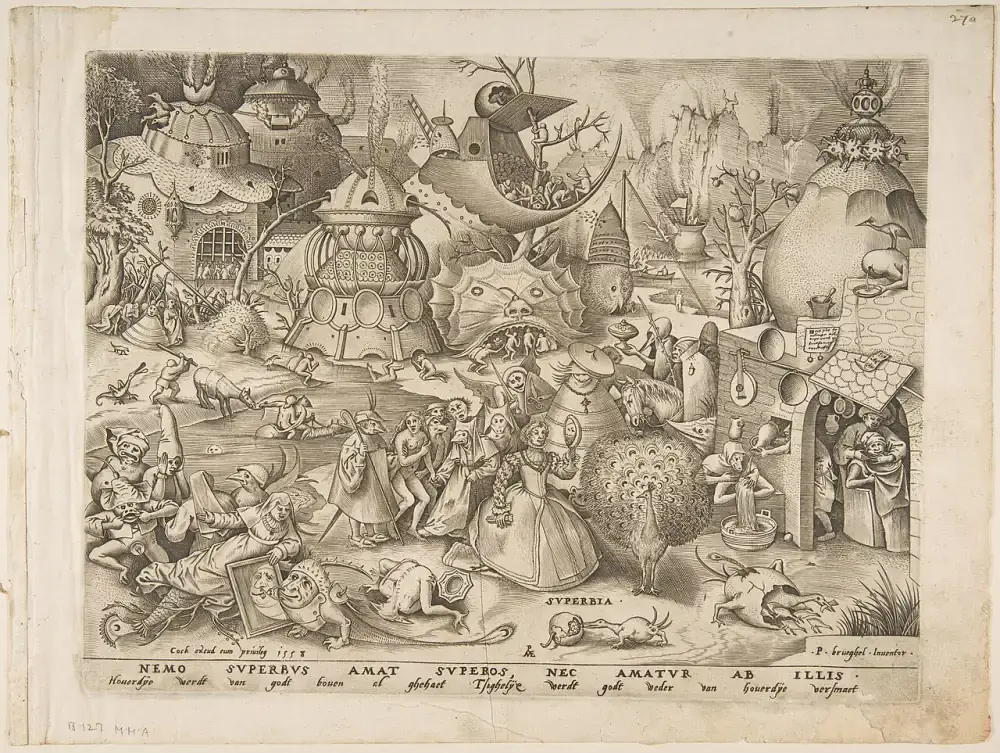
- Pride (Superbia) – Putting yourself at the centre and above others.
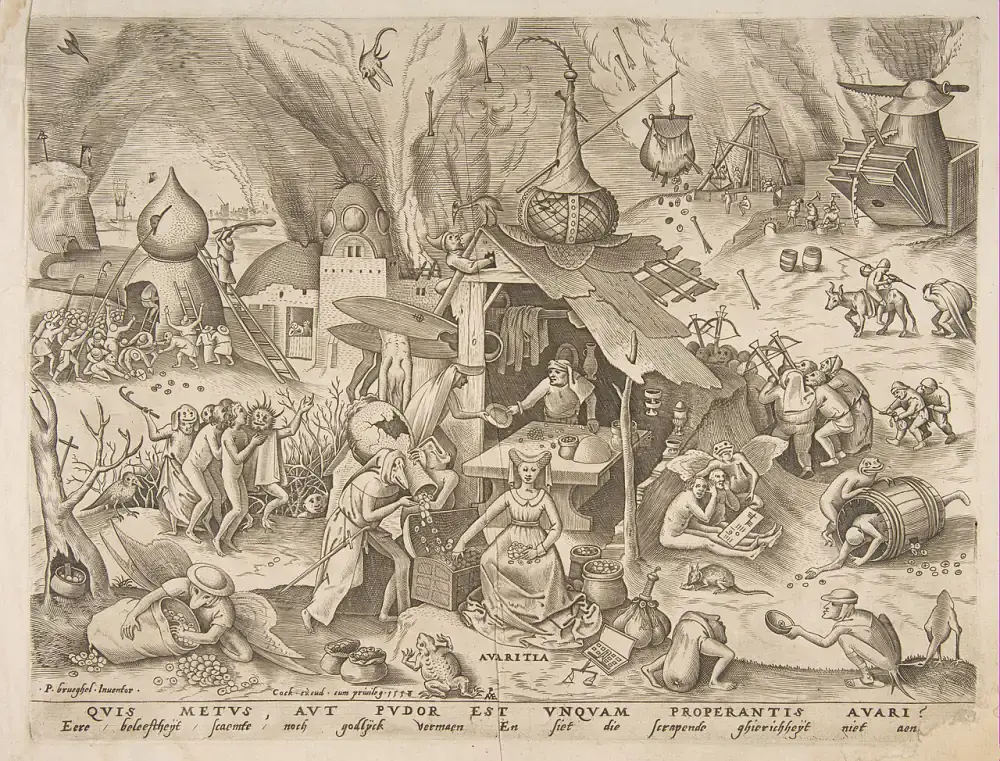
- Greed (Avaritia) – Wanting more than you need, and holding on to it.
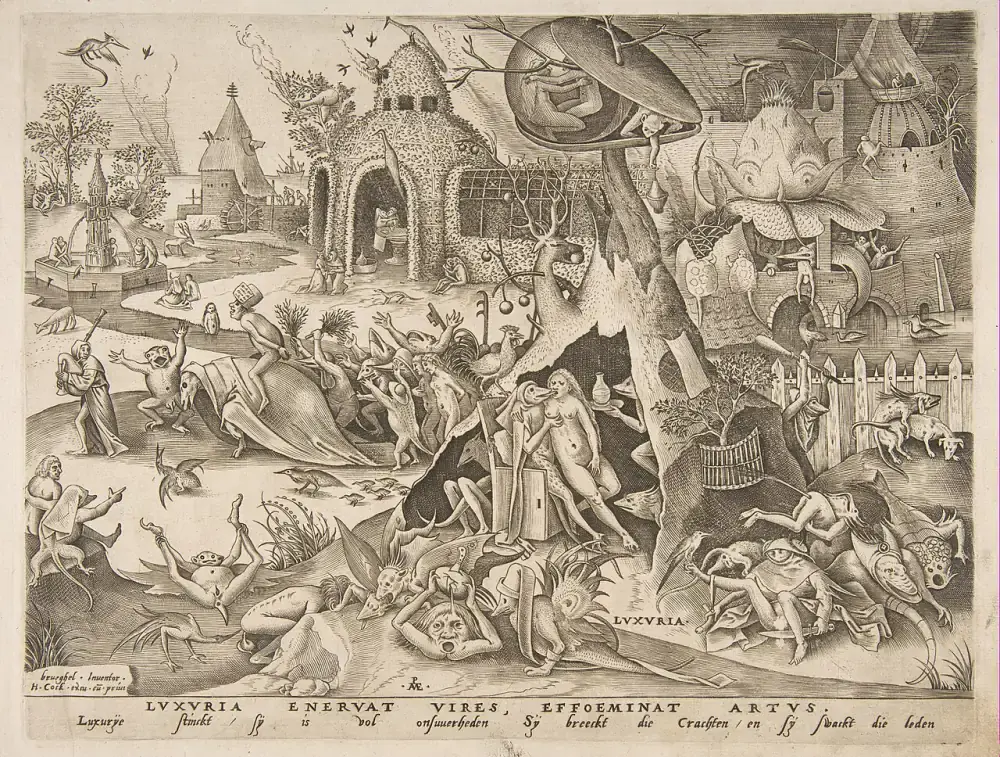
- Lust (Luxuria) – Desire that treats people as objects.
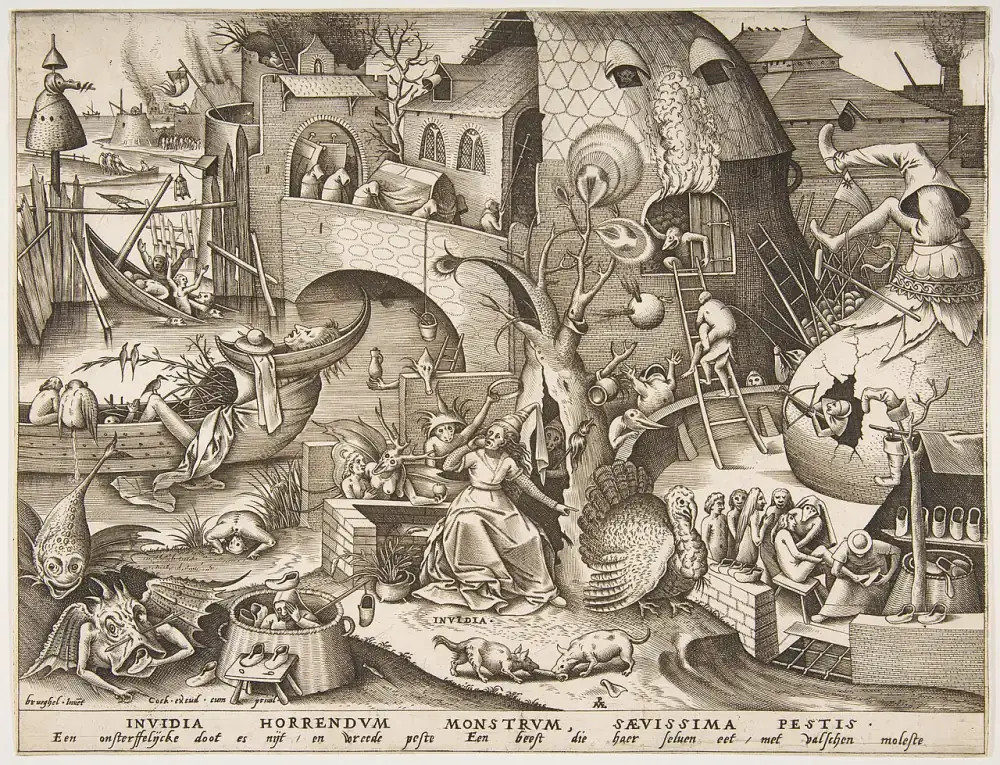
- Envy (Invidia) – Resenting what other people have.
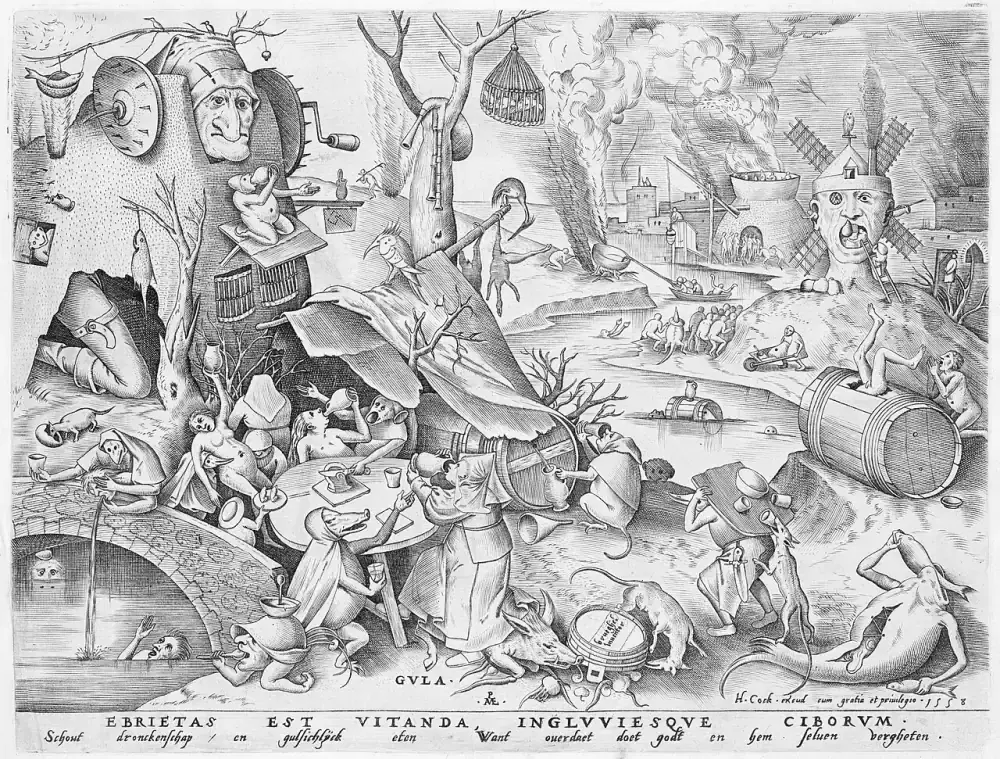
- Gluttony (Gula) – Consuming more than you need.
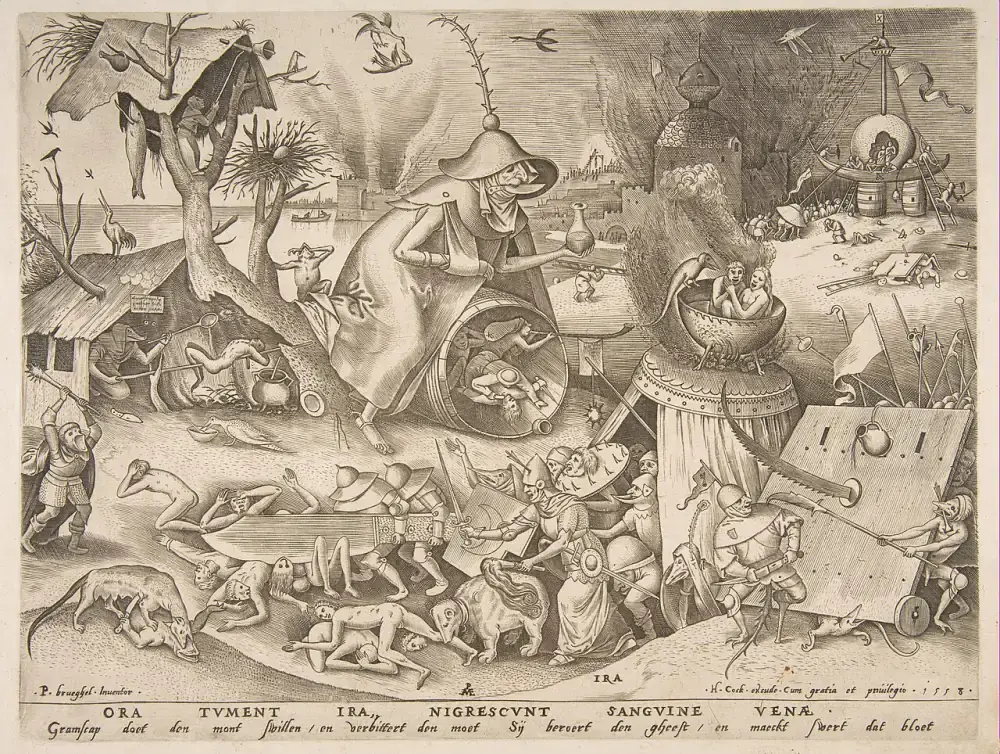
- Wrath (Ira) – Anger that wants to hurt or get even.
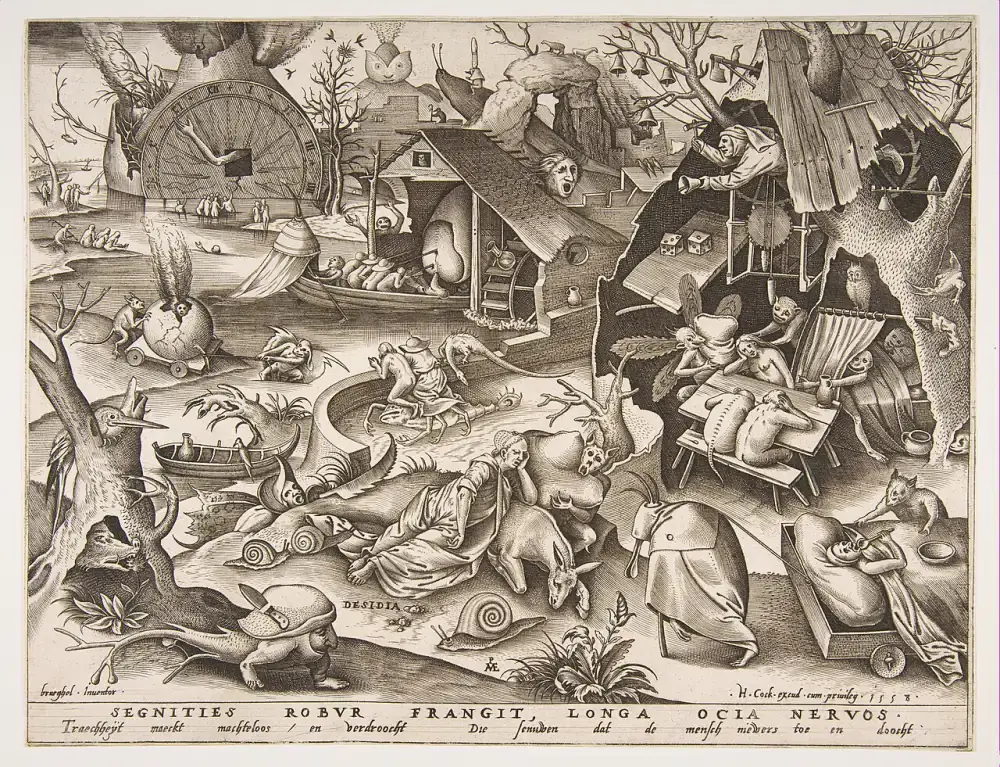
- Sloth (Acedia) – Not caring enough to do what matters.
What each sin means
I. Pride
Pride, in the sense of the deadly sin, is not the healthy satisfaction of a job well done. It is an inflated view of yourself: the belief that you are better, more important or more deserving than other people, and that you owe little to anyone. More about pride.
II. Greed
Greed, also called avarice or covetousness, is an excessive desire for wealth or possessions. It is not just wanting things; it is wanting more than you need, at the cost of fairness to others or of your own peace. More about greed.
III. Lust
Lust is intense or uncontrolled desire, most often sexual. In the traditional sense it is desire that has come loose from love: it treats another person as something to be used rather than someone to be cared for. More about lust.
IV. Envy
Envy is sadness or resentment at someone else's good fortune. Greed wants the thing; envy wants the other person not to have it, or wants to be them. More about envy.
V. Gluttony
Gluttony is overindulgence in food or drink, and by extension in anything you consume: shows, shopping, scrolling. It is less about the amount than about letting appetite run your life. More about gluttony.
VI. Wrath
Wrath is uncontrolled anger: rage, hatred or the wish for revenge. Anger itself is not the sin; anger at real injustice can be right. Wrath is anger that is out of proportion, aimed at the wrong person, or that wants to hurt rather than to fix. More about wrath.
VII. Sloth
Sloth is usually translated as laziness, but the original Latin, acedia, means something closer to "not caring". It is a spiritual and emotional apathy: knowing what you should do and not being able to make yourself care enough to do it. More about sloth.
The seven sins and their opposites
Each deadly sin has a contrary virtue that answers it. The idea goes back to the 5th-century poem Psychomachia by Prudentius, in which virtues and vices fight one another. See the 7 heavenly virtues for the full story.
| Sin | Latin | Opposite virtue | In short |
|---|---|---|---|
| Pride | Superbia | Humility | Putting yourself at the centre and above others. |
| Greed | Avaritia | Charity | Wanting more than you need, and holding on to it. |
| Lust | Luxuria | Chastity | Desire that treats people as objects. |
| Envy | Invidia | Kindness | Resenting what other people have. |
| Gluttony | Gula | Temperance | Consuming more than you need. |
| Wrath | Ira | Patience | Anger that wants to hurt or get even. |
| Sloth | Acedia | Diligence | Not caring enough to do what matters. |
Where the list comes from
The list took about a thousand years to settle into the form we know.
- 4th centuryEvagrius Ponticus. A monk in the Egyptian desert lists eight “evil thoughts” that trouble monks: gluttony, lust, greed, sadness, anger, acedia (listlessness), vainglory and pride.
- Early 5th centuryJohn Cassian. Brings Evagrius’s eight to the monasteries of the Latin-speaking West.
- 590Gregory the Great. Sets pride apart as the root of all sin and lists seven beneath it: vainglory, envy, anger, sadness, greed, gluttony and lust. Envy is new; acedia is folded into sadness.
- Middle AgesLater writers. Merge vainglory back into pride and turn sadness into sloth, giving the seven we use today.
- 13th–14th centuryAquinas and Dante. Aquinas explains them as “capital” vices in the Summa Theologica; Dante gives each a terrace of his Purgatorio, fixing them in art and literature.
How to remember them: SALIGIA
Medieval students learned the list with the made-up word SALIGIA, built from the first letter of each Latin name: superbia (pride), avaritia (greed), luxuria (lust), invidia (envy), gula (gluttony), ira (wrath) and acedia (sloth). That is also why the list is usually given in this order.
Sins of the spirit and sins of the flesh
Medieval writers often split the seven in two. Gluttony and lust are sins of the flesh: bodily appetites pushed too far. Pride, envy, wrath, sloth and greed are sins of the spirit: they live in the mind and the will. The spiritual sins were usually thought the more serious, because they are harder to notice in yourself.
Why are they called "deadly"?
The older name is the capital sins, from the Latin caput, meaning head. The Catechism of the Catholic Church (§1866) describes them as sources of other vices. Greed can lead to theft and lying, envy to gossip and spite, and wrath to violence. "Deadly" reflects the belief that these habits, left alone, kill the soul.
A capital sin is not automatically a "mortal sin". In Catholic teaching, how serious a particular act is depends on the matter, the person's knowledge and their consent.
Curious which one you lean towards? The 7 deadly sins test scores you on all seven in about six minutes.